

Connected
by Nature.
Harvest Village is designed to make it easy to get where you want to go — with safer roads, better transit options, and more ways to walk, bike, and explore the Roaring Fork Valley.
TO WALK
BIKE CONNECTIONS
TRANSIT ACCESS
ROADWAYS
A More Connected
Glenwood Springs.
Transportation planning for Harvest Village is focused on thoughtful connectivity and mobility. Traffic engineers anticipate the community could help reduce congestion in Glenwood Springs, while nearby RFTA stops provide existing access to regional transit.
Read the 2025 Traffic Study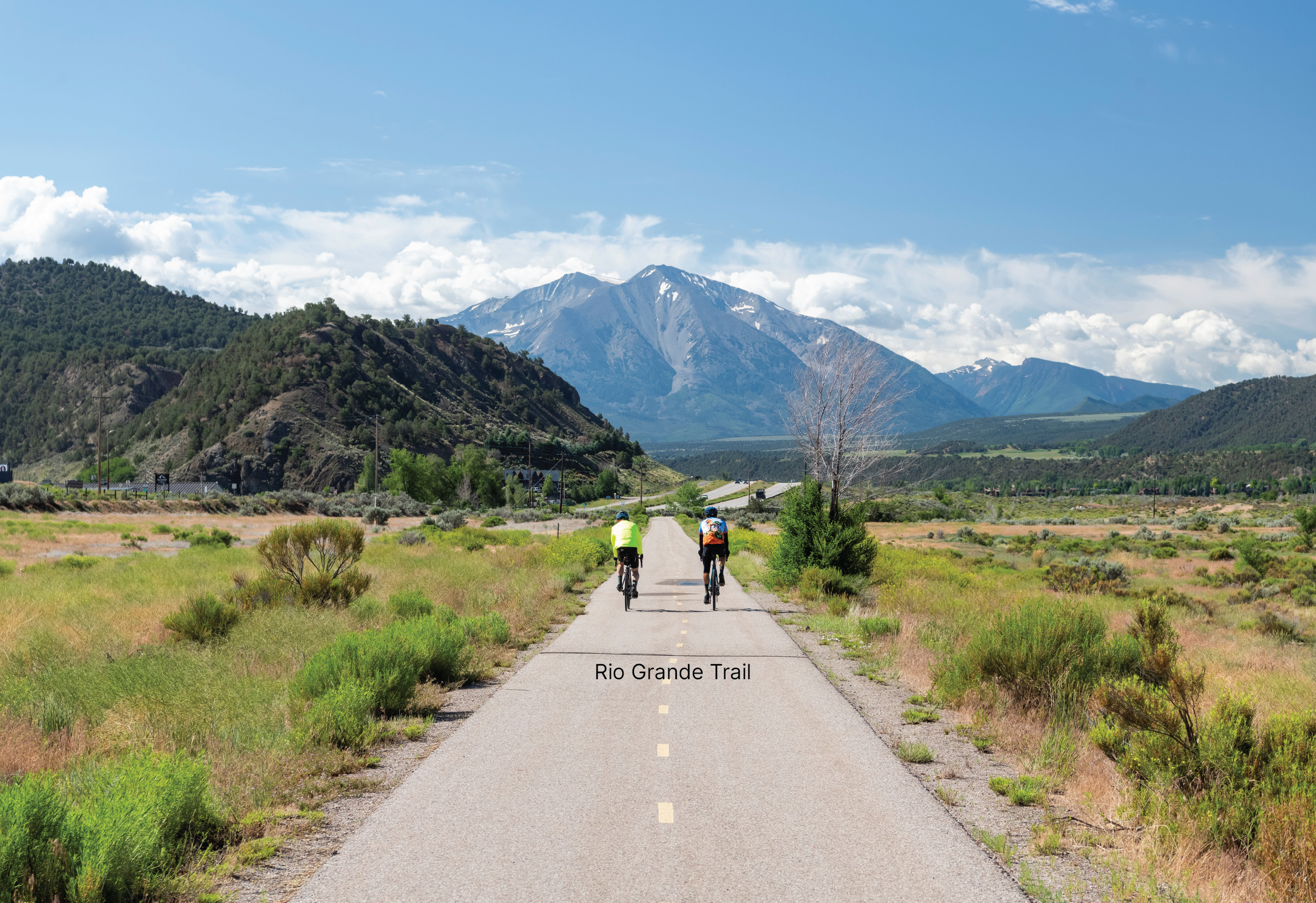
Improving Access
for Everyone.
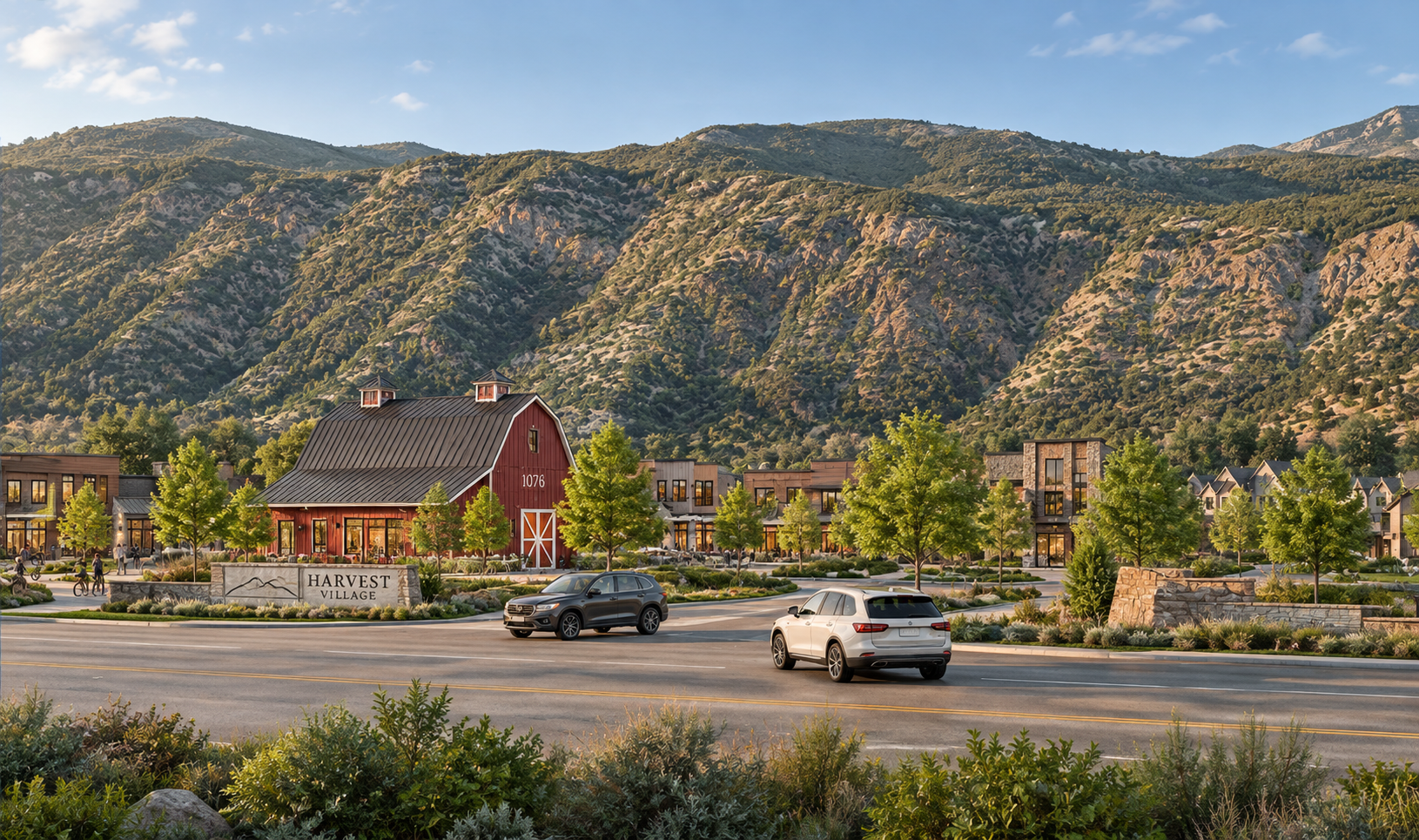
Harvest Village has bus stops within walking distance, enhanced bike and pedestrian connections, and redesigned Highway 82 intersections to improve safety and flow.
Transportation FAQs
How much traffic will Harvest generate?
Harvest will obviously generate new car trips, but many of these trips will simply be shifting an existing trip from New Castle to Harvest. Many future residents currently live west of Glenwood and commute through town to jobs in Aspen and Snowmass. When they move to Harvest, they will shorten their commute and reduce congestion and pollution in downtown Glenwood Springs. Traffic engineers also found that during rush hour, Harvest creates a reverse commute effect, meaning some cars will head to Glenwood Springs in the morning, opposite the peak flow, which actually helps traffic flow on Highway 82.
How will Harvest access Highway 82?
CDOT has approved two access points to Highway 82, both north of Cattle Creek. The approved access permit design includes a new median at the Cattle Creek intersection to prevent unsafe left turns and two new signals that allow safe U-turns. This approach improves safety, removes additional turn cycles, reduces stop and go light times, and improves traffic flow on Highway 82 in both directions, especially during rush hour.
What benefits would a new stoplight bring to this stretch of Highway 82?
The new stoplights will improve safety by creating safer turn movements and pulsing traffic. CDOT may likely lower the speed limit on Highway 82 to 55 mph in front of the property, which many Harvest neighbors have asked for. Overall, it balances safety improvements with smoother traffic flow and eliminates the safety hazard currently at Cattle Creek. Both signals will operate independently based on traffic avoiding unnecessary phases/turn signals.
How will these Restricted Crossing U-Turn (RCUT) intersections work and why are they being used instead of a traditional intersection?
The RCUT intersections let drivers turn safely without adding a full stoplight at Cattle Creek. Instead of making a left turn across traffic, drivers will turn right and then make a U-turn at a new signal, and then head in their desired direction. CDOT chose this design because it improves safety, reduces traffic accidents, and keeps traffic moving more smoothly than a traditional intersection. This will improve rush hour traffic flow on Highway 82, compared to a traditional stoplighted intersection.
Will Harvest increase traffic on Highway 82 or nearby roads and what’s being done to address it?
Harvest will include only about 55,000 square feet of neighborhood village services such as doctors, dentists, coffee shop, daycare, restaurant/cafés, and other everyday needs that people now drive elsewhere to reach. By bringing these services closer to where families live, many daily trips will stay within the community instead of adding more cars to Highway 82 or downtown Glenwood. The traffic engineers project that 90% of the commercial car trips will be “captured” from inside Harvest, not from Highway 82.
Will there be a new bus stop or bike path connections?
The Rio Grande Trail runs right through the middle of Harvest Village. This is a tremendous benefit to Harvest and should greatly encourage the community to use the trail for biking and walking. We will also construct sidewalks/bike trails throughout the community that will connect to the Rio Grande Trail. This connectivity to the Rio Grande Trail should significantly reduce car trips. In addition, there are RFTA bus stops close to each end of the community and they connect to the trail. We are currently working with RFTA, and they will let us know if they want Harvest to use the existing two bus stops or whether they want to build a third bus stop.
How does Harvest address pedestrian safety along the Rio Grande corridor?
Both Rio Grande Trail crossings will be grade-separated from the two Harvest roads that will cross over or under the trail. This is much safer than the many roads in the Roaring Fork Valley that cross the Rio Grande Trail at the same grade.
How will construction traffic impact nearby roads and neighborhoods?
Construction traffic will be carefully managed to minimize disruption. Most contractors and suppliers are based in the lower valley and already travel Highway 82 daily toward Aspen. If they are working in Harvest instead of Aspen, their commutes will be shortened.
Stay Informed.
Get updates on transportation progress, community milestones, and future opportunities at Harvest Village.